// HISTORY
Founded in 2018, Our goal when we created Gravitas Ventures is to bring inspiration and innovation to every Filipinos through assistance,support and investment in creating disruptive technologies in every industry. We believe that Filipinos has a lot of to offer.
The Philippines has a young, tech-savvy, and educated population. Filipino developers skilled in Python are in high demand for innovative tech startups. The startup ecosystem of the Philippines is still in the nascent stage but is rapidly evolving. The ecosystem started becoming active around 2010 with more founders getting involved in the tech community and starting companies around this time.
There are about 700 active startups in the Philippines today, a significant increase from only 100 in 2015. Most are active in fintech, media and entertainment, and e-commerce. Other market segments are emerging but still in the early stages of development. These include sectors in which startups are not only making an economic impact but also promoting human and sustainable development. Four such sectors are the focus of this report: agritech (agriculture), edtech (education), cleantech (environment), and healthtech (health care). Startup innovations in these sectors support human capital development by improving health and education, assist poor people in rural areas by increasing farm productivity, and help create a cleaner environment through mitigation and adaptation to climate change.
Promoting innovation is seen as a key strategy for the Philippines to recover from the pandemic, accelerate its growth, and achieve high-income status by 2040. Through their innovative capabilities, startups can play an important role in these processes. The startup ecosystem consists of institutions, individuals, programs, and processes that interact with each other to support startups by creating an enabling environment. The key components are government programs and policies, financial institutions, incubators and accelerators, human capital (talent), and digital infrastructure.

Mission
Our mission is to bring inspiration and innovation to every Filipinos through assistance, support and investment in creating disruptive technologies in every industry.
Vision
One day, homegrown Filipino innovators will have the opportunity to contribute, create and conquer the global technology and innovation scene.
Technology and Innovation has transformed various aspects of our lives.
With just a few clicks, we can connect with loved ones, collaborate with colleagues, or even form new relationships online. The internet and social media platforms have revolutionized communication, making it easier and faster than ever before
Applied AI
Applied AI technologies and techniques use models trained through machine learning to solve classification, prediction, and control problems in order to automate activities, add or augment capabilities and offerings, and improve decision making.
Next-generation software development
Next-generation software development includes tools and technologies that enable modern code deployment pipelines and automated code generation, testing, refactoring, and translation. These can improve application quality and development processes. Digital trust and cybersecurity The digital trust and cybersecurity trend encompasses the technologies behind trust architectures and digital identity, cybersecurity, and Web3. These technologies enable organizations to build, scale, and maintain the trust of stakeholders.
Immersive-reality technologies
Immersive-reality technologies enable real-time interactions in three-dimensional virtual worlds (that could incorporate the actual physical world). A virtual world can range from a fully computer-generated space in virtual reality (VR), to mixed reality (MR), all the way to augmented reality (AR), where computer-generated objects are superimposed on the real world. These technologies leverage spatial computing to interpret physical space (for example, by leveraging sensors and cameras such as in a VR headset to recognize gestures) and simulate the addition of data, objects, and people to the virtual world.
Cloud and edge computing
Cloud and edge computing refers to workloads that are distributed across locations, such as hyperscale remote data centers, regional centers, and local nodes, to optimize for latency, data-transfer costs, adherence to data sovereignty regulations, autonomy over data, security considerations, etcetera.
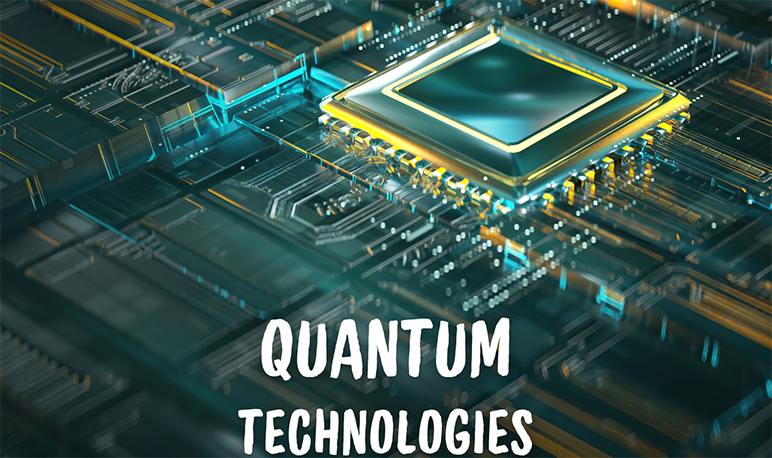
Quantum technologies
Quantum-based technologies make use of the unique properties of quantum mechanics to execute certain complex calculations exponentially faster than classical computers, secure communication networks, and produce sensors with higher sensitivity levels than their classical counterparts.
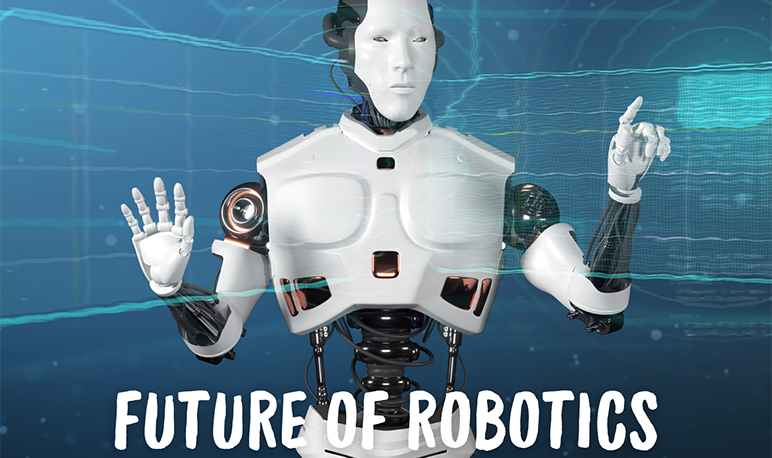
Future of robotics
The future of robotics covers the advancement of robots from handling fixed-purpose and preprogrammed tasks to being capable of adapting to new, real-life inputs with increasing degrees of autonomy and dexterity.
Future of mobility
Mobility technologies cover autonomous and electric vehicles, urban air mobility, and autonomous-driving, connectivity, electrification, and shared-mobility (ACES) technologies, with the aim to improve the efficiency and sustainability of land and air transportation.
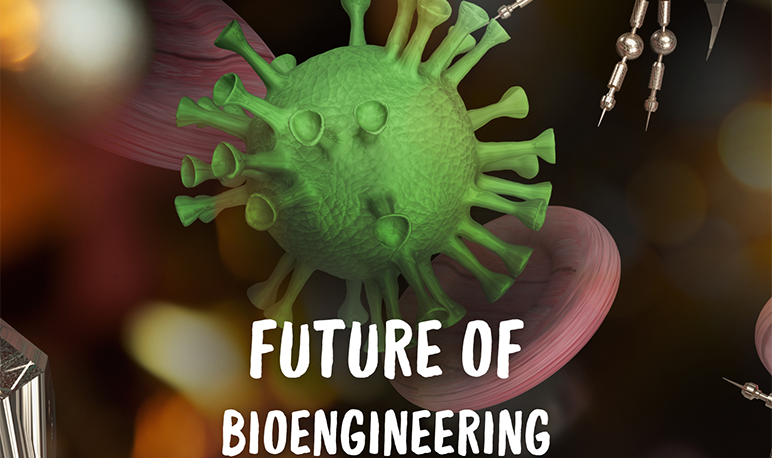
Future of bioengineering
Bioengineering is the application of engineering principles to biology, utilizing technological advancements to improve health and human performance, transform food value chains, and create innovative offerings.
Electrification and renewables
The electrification and renewables trend encompasses the entire energy production, storage, and distribution value chain. Technologies include renewable sources, such as solar and wind power; clean firm-energy sources, such as nuclear and hydrogen, sustainable fuels, and bioenergy; and energy storage and distribution solutions such as long-duration battery systems and smart grids.
Climate technologies
Climate technologies (beyond electrification and renewables) center on solutions that mitigate the negative effects of resource consumption on the climate, either by removing CO2 from the atmosphere or by producing existing materials and inputs with lower carbon equivalents.
Sustainability Technology
Sustainable technology is an umbrella term that describes innovation that considers natural resources and fosters economic and social development. The goal of these technologies is to drastically reduce environmental and ecological risks and to create a sustainable product.
Property Technology
PropTech is the use of technology to help both businesses and individuals manage real estate. From researching to buying and selling, these tools have been created to address the needs of those in the property industry. These tools have been designed to streamline each stage of the real estate process and to connect the different areas of the market. For example, helping to connect buyers, sellers, lenders and landlords through different platforms and technology. For now, PropTech consists of three major segments and these include smart homes, sharing real estate and real estate FinTech (financial technology).