We invest in the Founder’s Heart and Passion which makes the Difference
Technology and Innovation has transformed various aspects of our lives.
With just a few clicks, we can connect with loved ones, collaborate with colleagues, or even form new relationships online. The internet and social media platforms have revolutionized communication, making it easier and faster than ever before
Applied AI
Applied AI technologies and techniques use models trained through machine learning to solve classification, prediction, and control problems in order to automate activities, add or augment capabilities and offerings, and improve decision making.
Next-generation software development
Next-generation software development includes tools and technologies that enable modern code deployment pipelines and automated code generation, testing, refactoring, and translation. These can improve application quality and development processes. Digital trust and cybersecurity The digital trust and cybersecurity trend encompasses the technologies behind trust architectures and digital identity, cybersecurity, and Web3. These technologies enable organizations to build, scale, and maintain the trust of stakeholders.
Immersive-reality technologies
Immersive-reality technologies enable real-time interactions in three-dimensional virtual worlds (that could incorporate the actual physical world). A virtual world can range from a fully computer-generated space in virtual reality (VR), to mixed reality (MR), all the way to augmented reality (AR), where computer-generated objects are superimposed on the real world. These technologies leverage spatial computing to interpret physical space (for example, by leveraging sensors and cameras such as in a VR headset to recognize gestures) and simulate the addition of data, objects, and people to the virtual world.
Cloud and edge computing
Cloud and edge computing refers to workloads that are distributed across locations, such as hyperscale remote data centers, regional centers, and local nodes, to optimize for latency, data-transfer costs, adherence to data sovereignty regulations, autonomy over data, security considerations, etcetera.

Quantum technologies
Quantum-based technologies make use of the unique properties of quantum mechanics to execute certain complex calculations exponentially faster than classical computers, secure communication networks, and produce sensors with higher sensitivity levels than their classical counterparts.
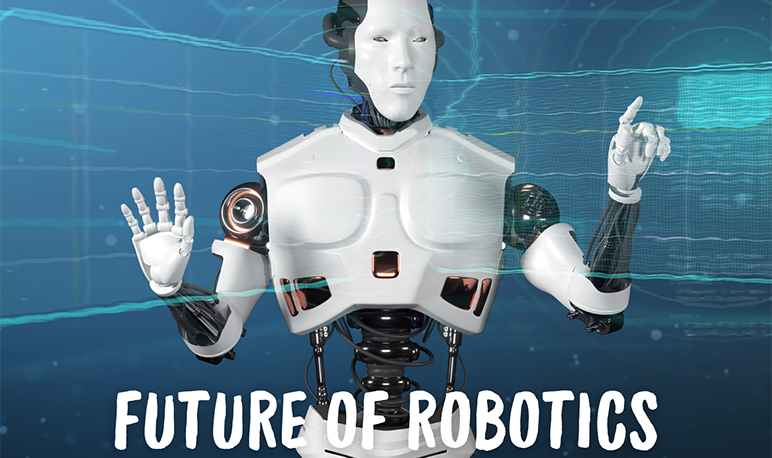
Future of robotics
The future of robotics covers the advancement of robots from handling fixed-purpose and preprogrammed tasks to being capable of adapting to new, real-life inputs with increasing degrees of autonomy and dexterity.
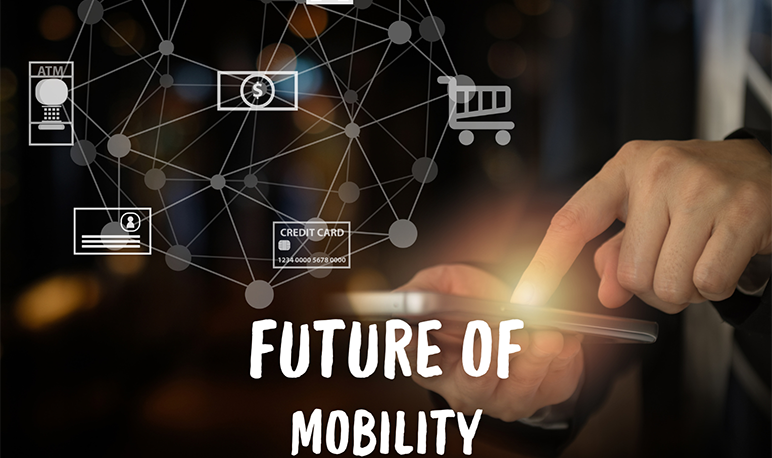
Future of mobility
Mobility technologies cover autonomous and electric vehicles, urban air mobility, and autonomous-driving, connectivity, electrification, and shared-mobility (ACES) technologies, with the aim to improve the efficiency and sustainability of land and air transportation.
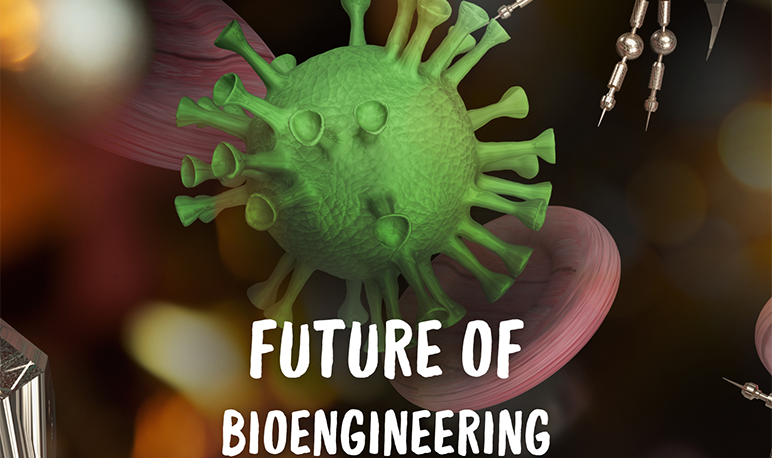
Future of bioengineering
Bioengineering is the application of engineering principles to biology, utilizing technological advancements to improve health and human performance, transform food value chains, and create innovative offerings.
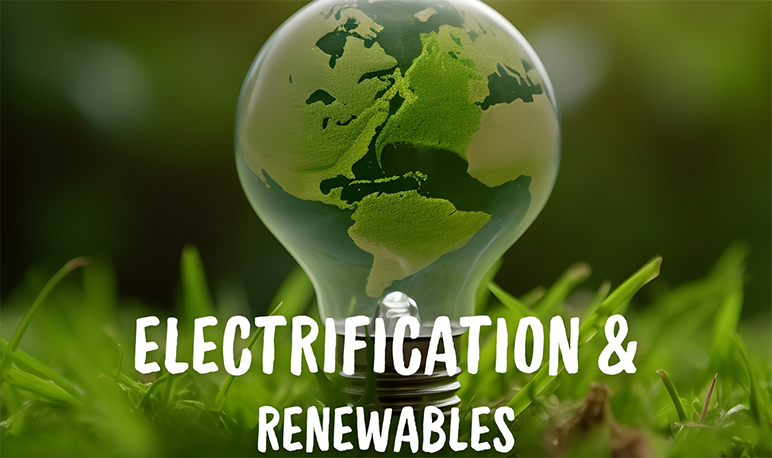
Electrification and renewables
The electrification and renewables trend encompasses the entire energy production, storage, and distribution value chain. Technologies include renewable sources, such as solar and wind power; clean firm-energy sources, such as nuclear and hydrogen, sustainable fuels, and bioenergy; and energy storage and distribution solutions such as long-duration battery systems and smart grids.
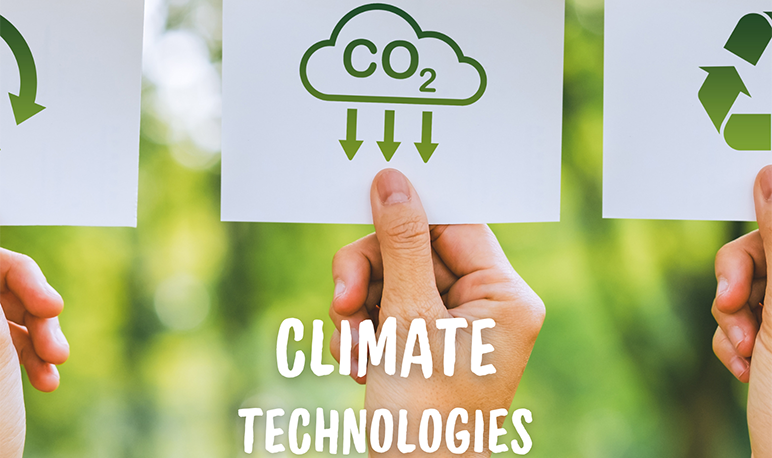
Climate technologies
Climate technologies (beyond electrification and renewables) center on solutions that mitigate the negative effects of resource consumption on the climate, either by removing CO2 from the atmosphere or by producing existing materials and inputs with lower carbon equivalents.
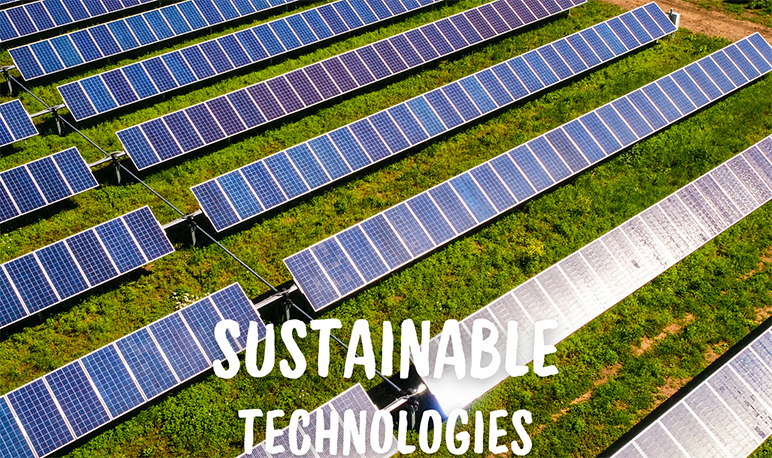
Sustainability Technology
Sustainable technology is an umbrella term that describes innovation that considers natural resources and fosters economic and social development. The goal of these technologies is to drastically reduce environmental and ecological risks and to create a sustainable product.
Property Technology
PropTech is the use of technology to help both businesses and individuals manage real estate. From researching to buying and selling, these tools have been created to address the needs of those in the property industry. These tools have been designed to streamline each stage of the real estate process and to connect the different areas of the market. For example, helping to connect buyers, sellers, lenders and landlords through different platforms and technology. For now, PropTech consists of three major segments and these include smart homes, sharing real estate and real estate FinTech (financial technology).